Antwi • Patients & survivors
Support beyond treatment
Spaces to process fear, identity, parenting through illness, and the emotional realities of survivorship and life after treatment.
Ubuntu • Healing beyond treatment
Rooted in African-centered values of collective care, we support the Antwi, the survivor; the Ba, the children; and the Hwɛfoɔ, the caregiver. Each person has a distinct experience, yet no one heals outside the circle of family and community.
Honor the Antwi.
•Protect the Ba.
•Strengthen the Hwɛfoɔ.
Ubuntu • Our mission
A Chiles’ Journey of Love Foundation supports families facing cancer, life-threatening illness, or loss. Through storytelling, peer support, education, and culturally responsive care, we honor the Antwi, protect the Ba, and strengthen the Hwɛfoɔ. Because illness reshapes the entire family, healing must restore both the individual and the relationships that hold the family together.
Our African-centered framework
Sankofa calls us to carry wisdom forward. We honor the faith, stories, cultural strengths, relationships, and knowledge families already possess. Healing is not an individual burden. It is a shared process sustained through belonging, mutual responsibility, and care across generations.
Ujima • How we help the whole family
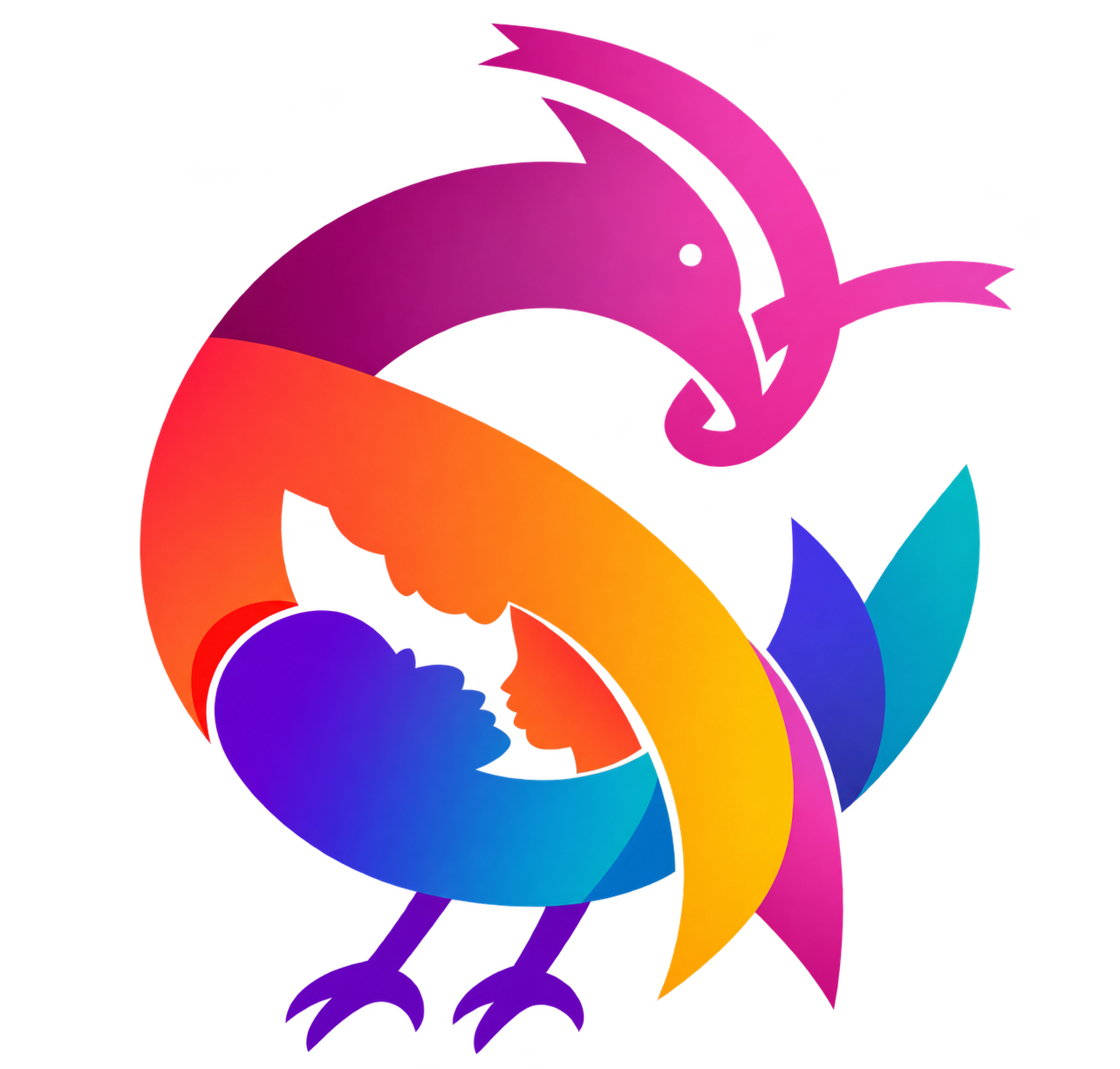
Cancer and life-threatening illness affect more than the person receiving treatment. Roles shift, routines change, and each family member carries a different part of the experience. Like the interwoven forms within our Sankofa symbol, the Antwi, Ba, and Hwɛfoɔ remain distinct yet inseparable. Our whole-family approach creates space for every voice while strengthening the family as one connected system.
Antwi • Patients & survivors
Spaces to process fear, identity, parenting through illness, and the emotional realities of survivorship and life after treatment.
Ba • Children
Age-appropriate support where children can name what they feel, ask honest questions, build coping skills, and know they are not alone.
Hwɛfoɔ • Caregivers
Connection, practical tools, and emotional support for caregivers balancing changing roles, uncertainty, and the needs of the whole family.
Whole-family care reflects an African-centered ethic of interdependence: the Antwi does not heal alone, the Ba do not carry the story alone, and the Hwɛfoɔ does not provide care alone. Healing becomes a shared journey held by family, culture, and community.
Programs are being developed with respect for emotional safety, African diasporic culture, family dignity, and the developmental needs of children.
Sankofa • Why we began
Dear Fellow Antwi,
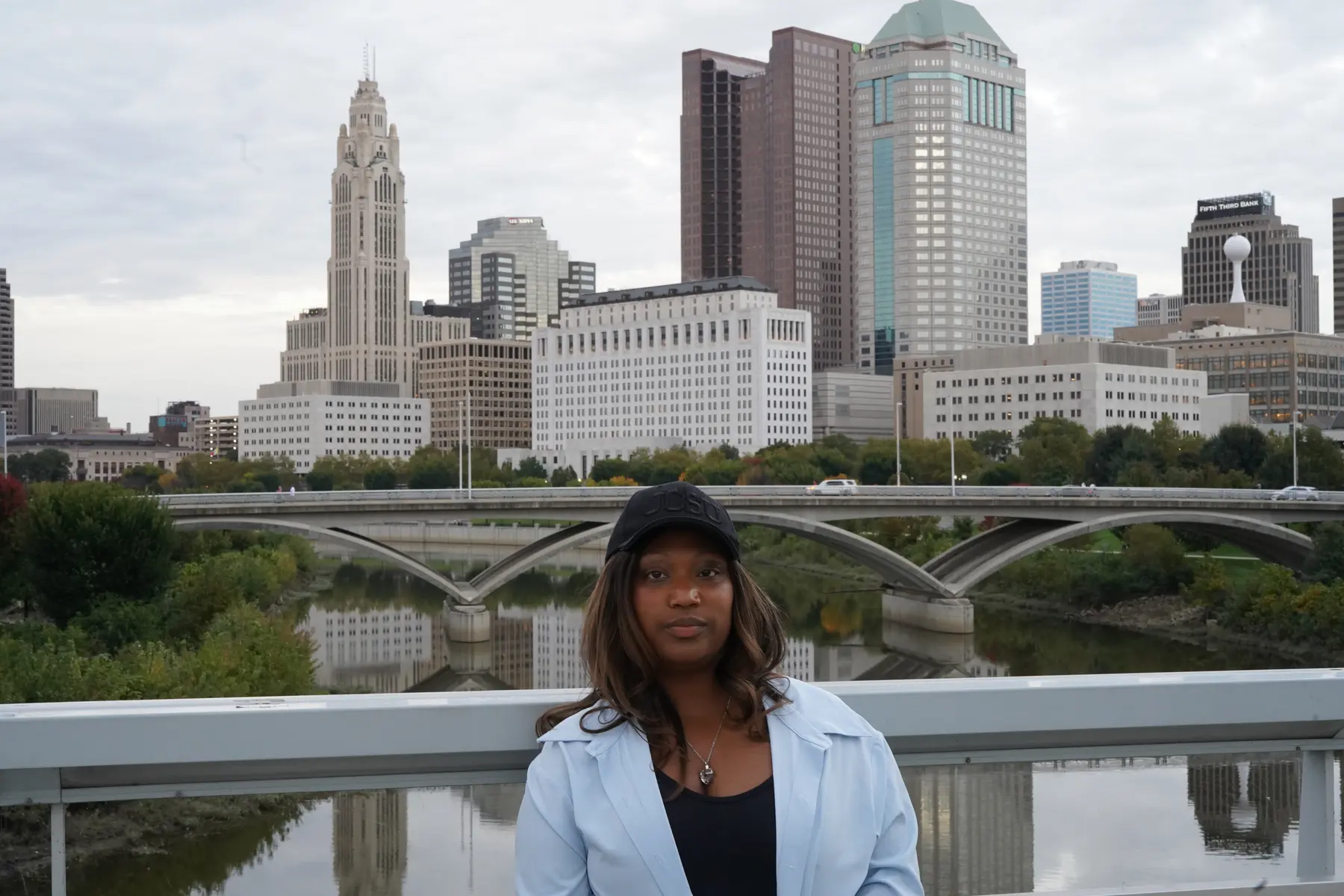
If you are reading this while facing a diagnosis, moving through treatment, or trying to understand who you are after cancer, I want you to know that I see you. I know how quickly cancer can divide life into a before and an after. I also know that surviving can be far more complicated than simply being alive.
In 2020, while the COVID-19 pandemic was already filling the world with fear and isolation, I was diagnosed with Stage III triple-positive invasive ductal carcinoma. In an instant, I became the Antwi, the patient expected to absorb unfamiliar medical language, make life-altering decisions, endure treatment, and somehow remain strong. Beneath that strength, I was frightened, vulnerable, and uncertain about what cancer would take from me.
I was also a mother. Even as I tried to understand my own diagnosis, I was thinking about my daughter, Zara. I wanted to protect her childhood, reassure her, and continue caring for her when I did not know what my own future would hold. Cancer was not in her body, but it entered her life. She became the Ba, the child carrying questions, fear, confusion, and emotions that were just as real as my own.
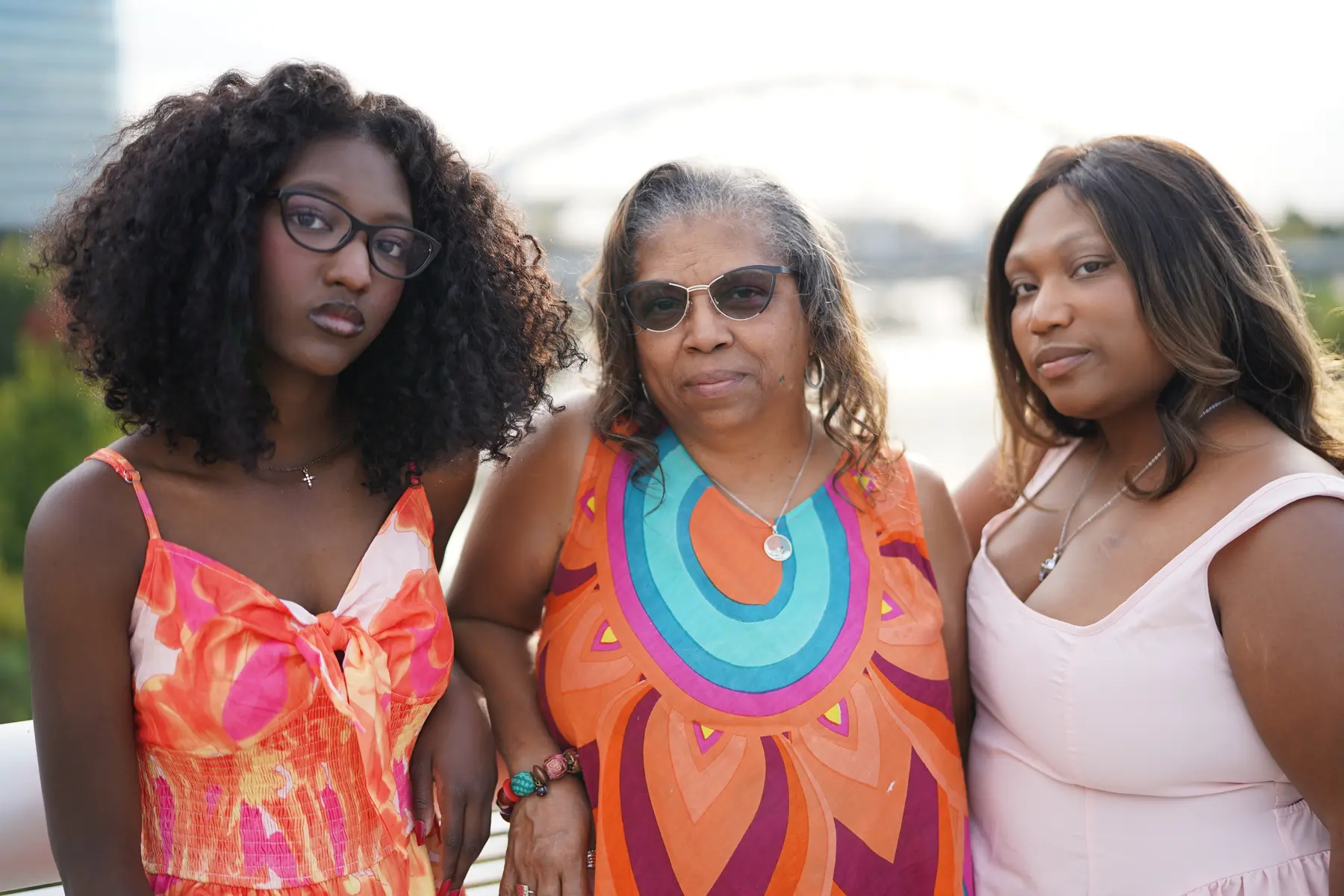
My mother, Tanya, became our Hwɛfoɔ. She stood beside me through treatment and helped hold our family together. She encouraged me, helped with practical needs, and supported Zara while carrying the private fear of watching her own daughter fight cancer. Together, we were three generations living through one diagnosis from three different places: patient, child, and caregiver.
Cancer changed my body and challenged my sense of identity. I lost a breast, underwent a total hysterectomy, and faced the emotional weight of changes connected to my womanhood, motherhood, sexuality, and sense of self. Over several years and 13 surgeries, I moved through treatment, loss, reconstruction, infection, recovery, and the exhausting work of beginning again. Some wounds were visible. Others remained hidden long after the medical appointments became less frequent.
When active treatment ended, people celebrated because I had survived. I was grateful to be alive, but I also had to learn how to live in a body I did not fully recognize. I had to rebuild trust in myself, manage the fear of recurrence, grieve what had been taken, and discover who I was becoming. Survivorship was not a return to my old life. It was the slow creation of a new one.
Along the way, I realized that the medical system was treating my cancer, but our family still needed care. Zara needed a safe place to understand what was happening to her mother. Tanya needed support as a caregiver who was carrying responsibility, love, and fear. I needed space to speak honestly about everything that remained after treatment. We needed shared language, emotional support, faith, and a community that understood that cancer happens to the entire family.
This is why Sankofa became so meaningful to me. Sankofa teaches us to reach back, retrieve the wisdom and lessons we need, and carry them forward. I cannot change what happened to my family, but I can honor what we learned. I can use our experience to help another Antwi feel less alone, another Ba feel seen, and another Hwɛfoɔ feel supported.
A Chiles’ Journey of Love Foundation grew from that purpose. What began as one of the most painful chapters of my life became a calling rooted in love, faith, truth, resilience, and healing. If you are still finding your way through your own journey, please remember this: you do not have to be strong every moment, your healing does not have a deadline, and you do not have to walk alone.
With love, understanding, and purpose,
Asisa Chiles-DickersonFounder, Executive Director & Survivor Advocate
Abasɛm • Three voices. One family journey.
The foundation’s story is not told from one perspective alone. In the African tradition of preserving wisdom through story, these reflections will honor the voices of the Antwi, Ba, and Hwɛfoɔ across three generations.
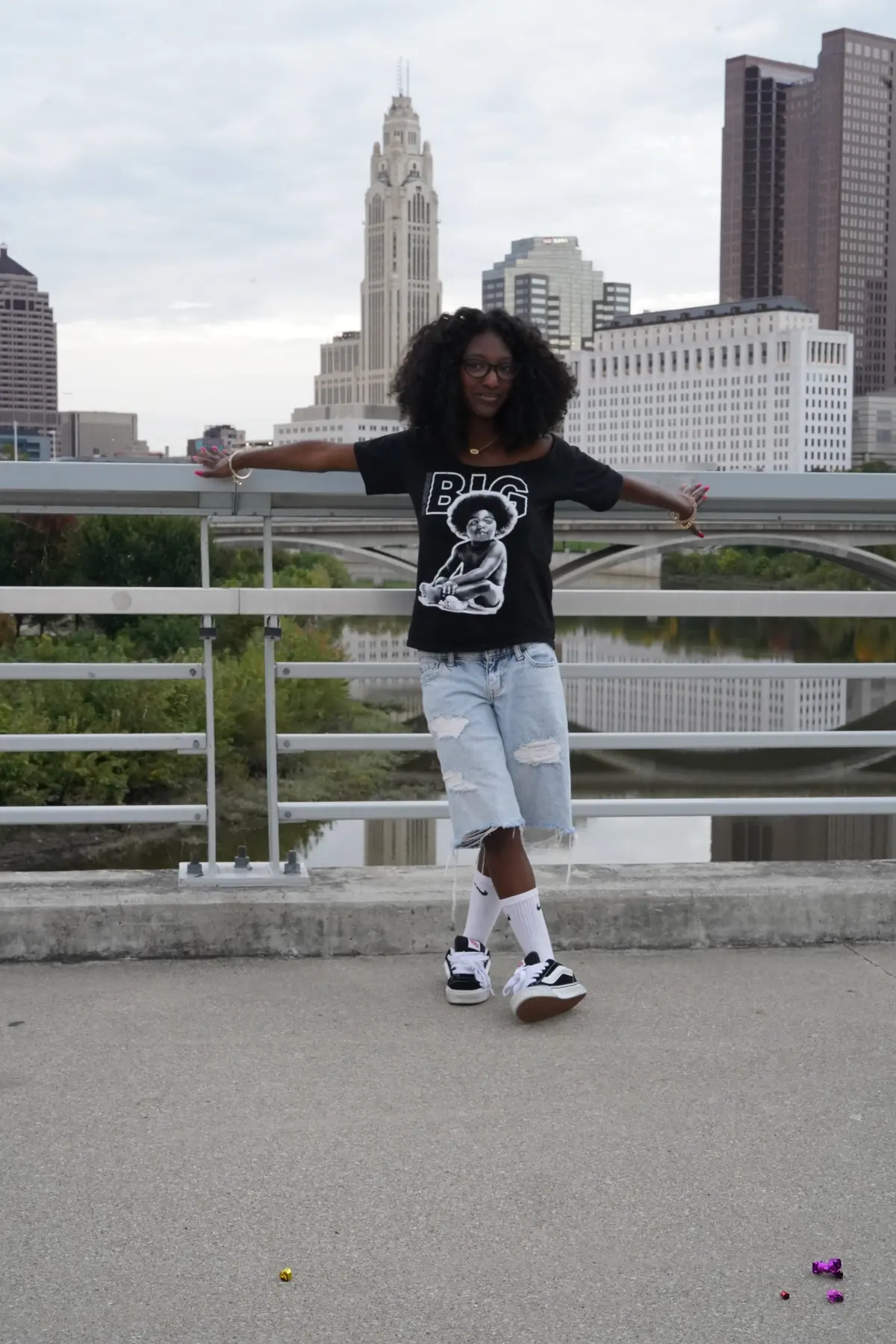
The voice of the Ba • Zara’s story
Dear Ba,
My name is Zara. When I was seven years old, I learned that my mother had breast cancer.
I remember coming home to the house where we lived at the time. My dad had brought me home, and my mother was sitting on the couch. I do not remember every word she said, but I remember crying. She gave me her phone and showed me an app that was designed to help children understand breast cancer. Even after using the app, I did not fully understand what was about to happen or how much our lives were going to change.
Cancer was not in my body, but it still affected my childhood. I wanted to play, go places, have fun, and spend time with my mother. Other children would talk about things they did with their moms, and I sometimes felt sad or left out because my mother was too sick or in too much pain to do those things with me.
One of the hardest parts was watching my mother hurt and knowing I could not make the pain go away. Sometimes she could not get out of bed or was too sick to cook dinner. I had to grow up quickly and learn how to care for myself and help care for her. There were times when I cooked for both of us and tried to keep a smile on my face because I did not want my mother to feel disappointed in herself. I wanted her to know that I understood she was doing the best she could.
Sometimes I felt angry or upset, even though I knew cancer was not my mother’s fault. I wanted to be like other children who could simply enjoy time with their moms. Instead, I often felt like I could not just be a child because I needed to be strong for her. Looking back, I wish more people had understood how deeply her cancer affected me. People knew my mother was sick, but they did not always recognize that I was also trying to understand how to live through everything that was happening.
The person who helped me most was my best friend and cousin, Paitin Chandler-Burk. Many adults offered support, but sometimes I did not need another adult telling me what to do or how to feel. I needed someone who would simply be my friend. Paitin stayed beside me, listened to me, and helped me feel less alone. I do not know what I would have done without her, and I will always be grateful for the friendship and love she gave me.
If your parent has cancer or another serious illness, I want you to know that your feelings matter too. You may feel afraid, sad, confused, angry, or even jealous of children whose lives seem normal. Having those feelings does not mean you do not love your parent. It means you are going through something difficult.
You deserve someone who will listen to you, support you, and allow you to remain a child. You should not have to carry everything by yourself. Cancer may change your family’s journey, but you are still important, you are still loved, and you are not alone.
With understanding and love,
Zara Chiles-HarrisThe voice of the Ba
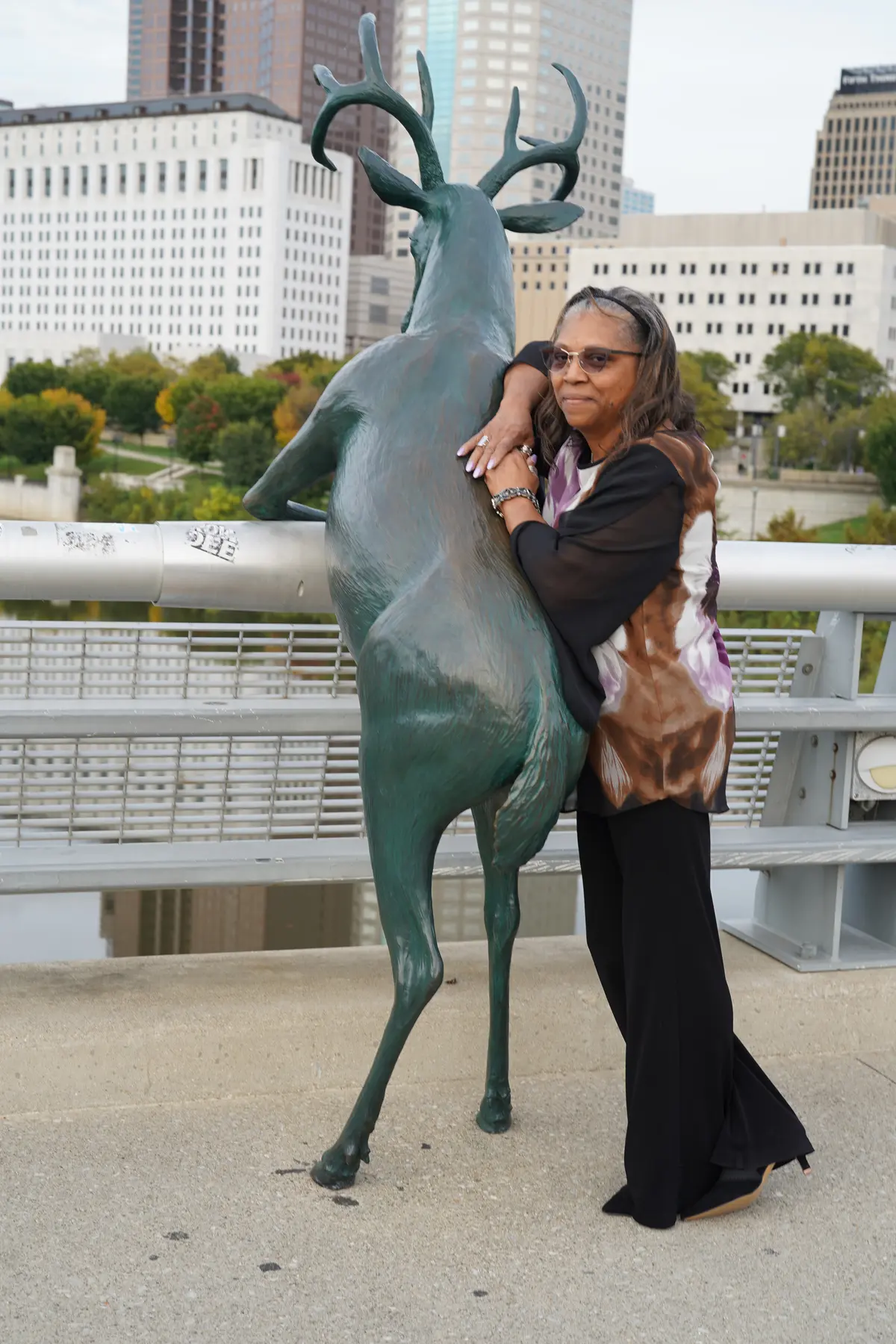
The voice of the Hwɛfoɔ • A mother’s story
This space is reserved for Asisa’s mother to reflect on caregiving, family strength, fear, faith, and what it meant to support both her daughter and granddaughter through the journey.
Her story is coming soonUbuntu • Our Leadership Circle
Our leadership reflects the African-centered values of collective responsibility, shared wisdom, and intergenerational care. Together, our Board of Directors and Youth Advisor Council help keep the Foundation accountable to the families and young people we serve.
Chair
Board Member
Board Member
Board Member
Executive Director
Board Member
Youth Advisor
Youth Advisor
Nhyiamu • Gather, learn, and heal
Our gatherings create culturally responsive spaces for connection, honest conversation, shared learning, and joy across the whole family journey.
Planned program
Rooted in Ubuntu, March Fourth is an intimate healing circle for the Ba, children whose parent is living with cancer or a terminal illness. Within a caring community, children can connect with peers, give voice to their emotions, draw strength from shared stories, and begin building tools to navigate their family’s journey with courage, belonging, and hope.
Date and registration information coming soonMore opportunities ahead
Workshops, family experiences, support gatherings, and community conversations are being developed for the Antwi, Ba, and Hwɛfoɔ.
Request event updatesAkyɛde • Invest in whole-family healing
Donations help create culturally responsive programs, safe spaces, educational resources, and meaningful community experiences for the Antwi, Ba, and Hwɛfoɔ. Every contribution strengthens the circle of care surrounding a family.
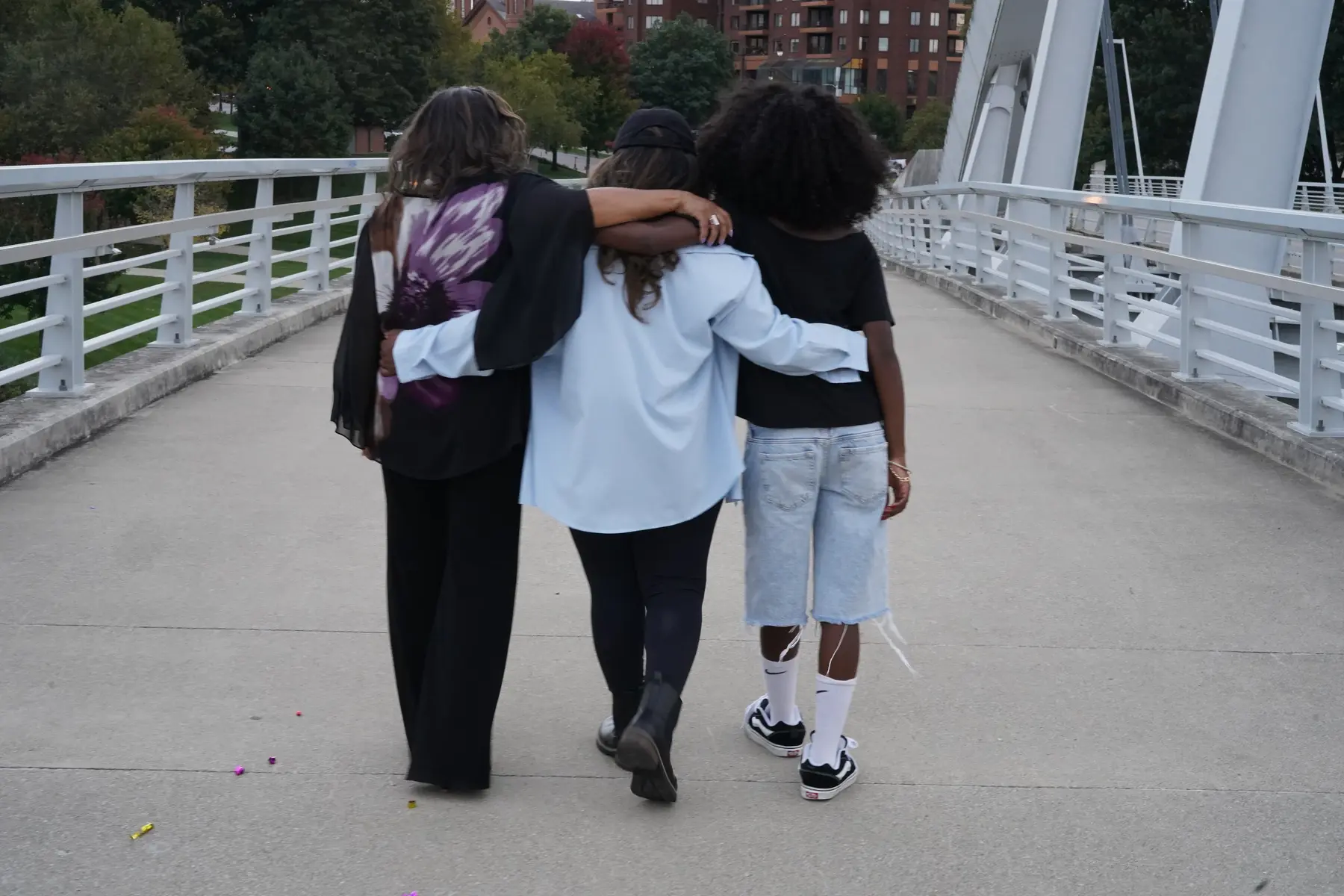
Harambee • Join the journey
We are building a community where every Antwi feels supported, every Ba feels seen, and every Hwɛfoɔ feels cared for. Join us as a family, volunteer, clinician, educator, advocate, or community partner and help hold the whole family within a circle of culturally responsive care.
Connect with the foundation